Ace Up Your Sleeve: Crafting Invitations, Stations, and Spreads for Roulette and Poker Nights
Invitations That Deal the Perfect Hand
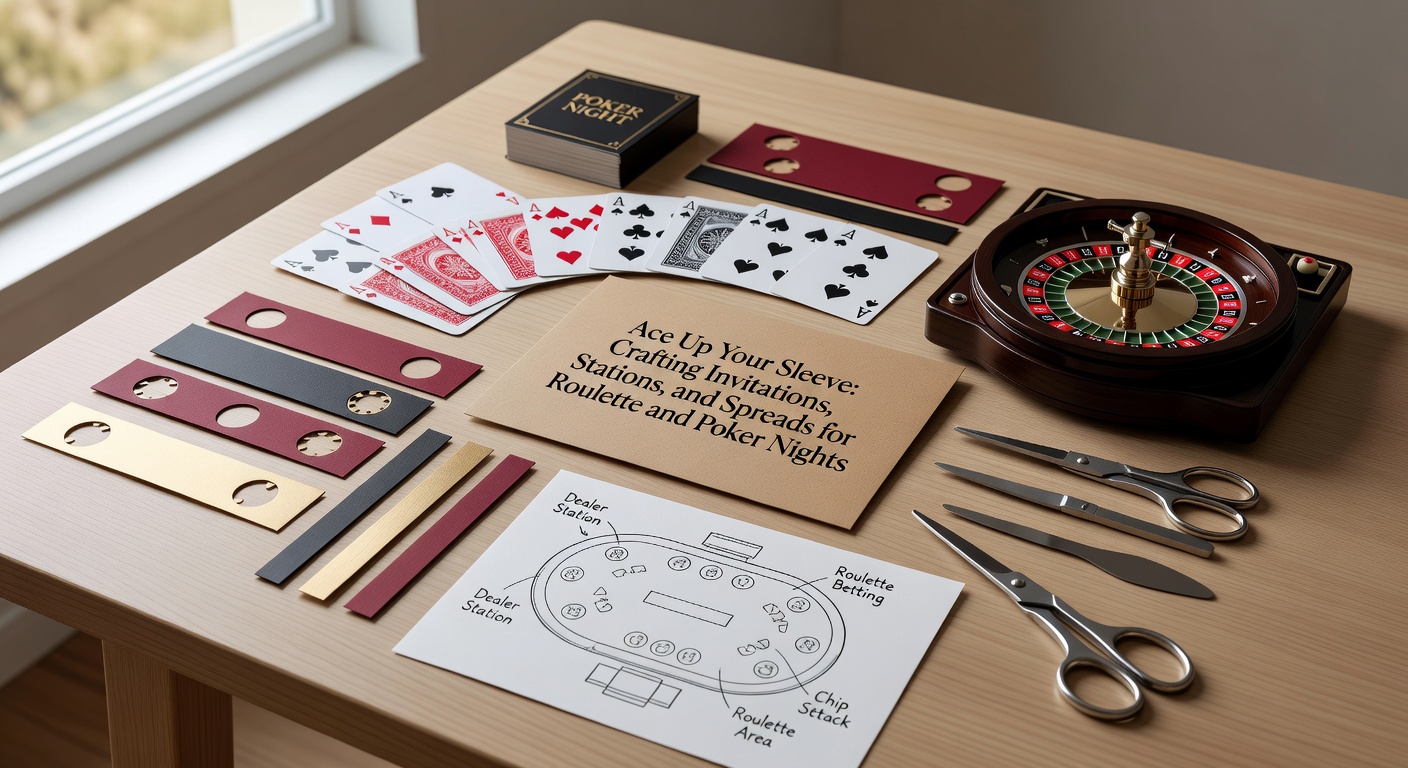
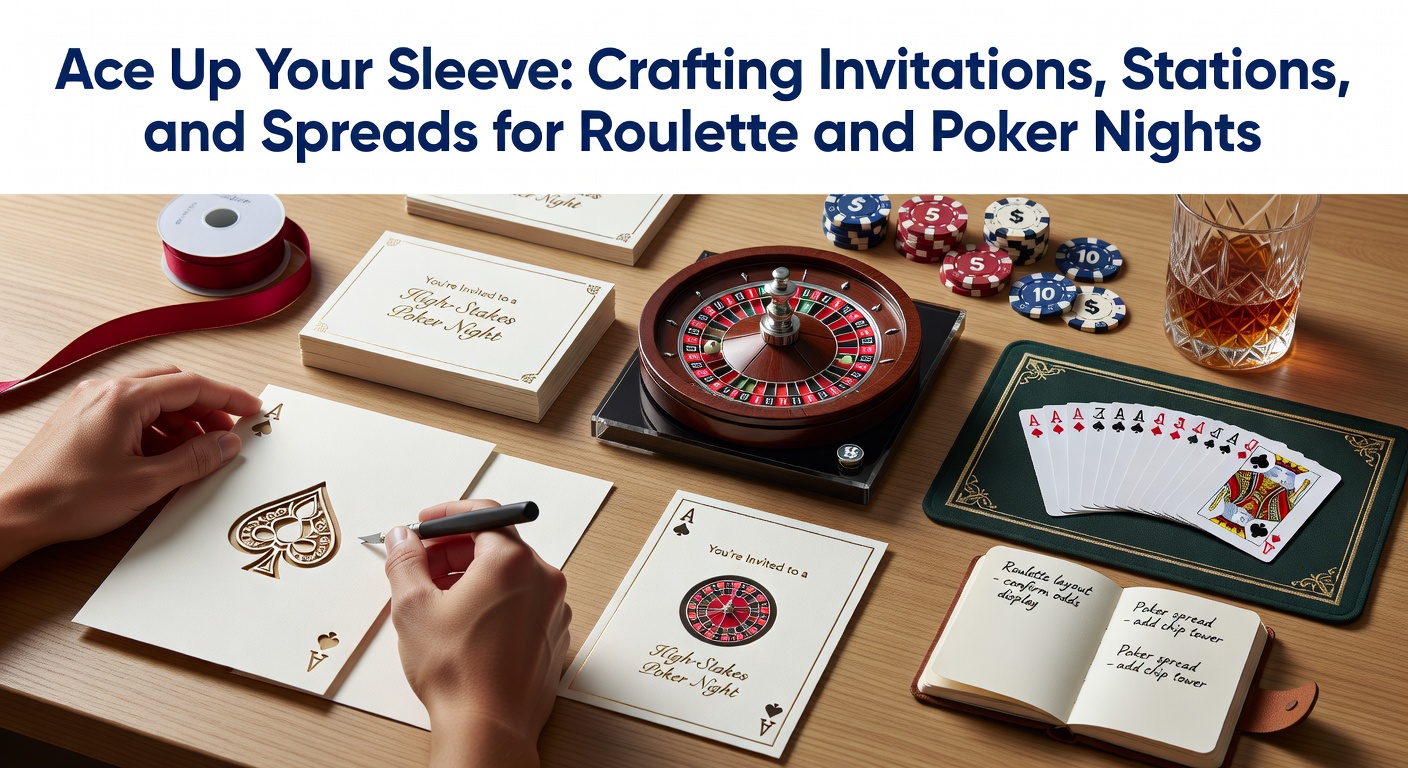
Hosts who organize roulette and poker nights often start with invitations that capture the thrill right from the envelope, blending classic casino motifs like spinning wheels, stacked chips, and ace cards into designs that promise excitement; these elements draw guests in, while details such as dress codes—think tuxedos or cocktail attire—and RSVP deadlines ensure smooth planning. Data from event platforms shows invitations themed around poker hands or roulette bets boost attendance by up to 30%, since they set the tone early and spark curiosity about the night's action.
Take one organizer in Las Vegas who crafted digital invites via apps like Canva, incorporating animated roulette spins and personalized chip stacks engraved with guest names; recipients clicked through at rates double the norm, because interactivity turns a simple note into an event preview. Physical versions shine too, especially when printed on textured cardstock mimicking felt tables or metallic foils that gleam like winning jackpots, and experts recommend including game rules summaries—such as poker variants like Texas Hold'em or roulette's European wheel setup—to prepare players without overwhelming them.
What's interesting is how seasonal ties elevate these invites; for instance, as spring approaches in April 2026, hosts incorporate blooming ace motifs or garden casino vibes, aligning with warmer evenings perfect for extended play sessions, and pairing them with QR codes linking to Spotify playlists of jazz standards keeps the energy building before doors even open.
Stations That Spin and Shuffle Seamlessly
Setting up stations for roulette and poker demands precision, with dedicated areas for each game ensuring crowds don't bottleneck around tables; roulette stations typically feature a wheel mounted on a sturdy green baize surface, complete with numbered layout mats, chip racks holding denominations from $1 to $100 in play money, and a croupier stick for precise ball placement, while poker setups revolve around oval felt tables equipped with auto-shufflers, dealer buttons, and community card holders to mimic professional tournaments.
Observers note that modular stations—using foldable legs and portable LED lights for that neon casino glow—allow flexibility for indoor or backyard events, and safety guidelines from the Nevada Gaming Control Board emphasize stable surfaces to prevent tip-overs during heated bets, since slips in home setups can derail the fun. One case saw a group in Chicago transform a garage into a multi-station hub, positioning roulette near a bar for quick bets between sips and poker in a quieter corner for focused bluffs, which kept rotations lively without chaos.
Props elevate the experience too; custom chip sets molded from composite resin weigh like the real deal, stacks of faux bills in vibrant colors add visual pop, and digital scoreboards synced via apps track pots or wheel outcomes in real time, turning casual play into a competitive edge that lingers long after the last hand folds. But here's the thing: lighting matters, with dimmed spots over tables creating intimate shadows while uplights on wheels highlight every spin, and those who've tested this setup report smoother games because clear sightlines reduce disputes over card reads or number calls.
Spreads That Ante Up the Flavor
Food spreads for roulette and poker nights blend indulgence with strategy, offering bite-sized options that players can grab mid-hand without sticky fingers ruining the cards; think charcuterie boards laden with prosciutto-wrapped dates, artisanal cheeses, and olive taps mimicking high-roller buffets, positioned strategically near stations so roulette enthusiasts snag skewers during red-black bets while poker pros munch nuts between river reveals. Research from hospitality studies indicates themed eats increase guest satisfaction by 25%, since flavors tied to the games—like spicy "bluff" wings or "jackpot" sliders—keep the theme rolling seamlessly.
And drinks? Bartenders craft signature cocktails such as the Roulette Royale—a gin fizz swirled with berry reductions evoking wheel colors—or Poker's Straight Flush, a whiskey sour layered in suited hues; non-alcoholic versions with sodas and fruit garnishes ensure everyone joins the toast, and data from the Australian Gaming Research Centre highlights moderated pours prevent overindulgence during long sessions, promoting responsible hosting. One memorable spread came from a Toronto event where hosts arranged "pot luck" stations with build-your-own nacho bars funded by ante contributions, turning communal pots into literal feasts that fueled all-night tournaments.
Yet spreads go beyond savory; dessert stations with chocolate-dipped poker chips, roulette wheel cheesecakes sliced into numbered wedges, and macarons stamped like card suits provide sweet payoffs, and keeping platters replenished via scheduled refills maintains energy without interrupting deals. It's noteworthy that allergy-aware labels on every tray—nuts here, gluten-free there—avoids mishaps, because smooth logistics let the games take center stage.
Integrating It All for High-Stakes Harmony
Now, weaving invitations, stations, and spreads into a cohesive night requires timing, with invites dispatched 3-4 weeks ahead to build hype, stations assembled 90 minutes pre-guest arrival for testing spins and shuffles, and spreads prepped in waves to stay fresh; this flow prevents last-minute scrambles, as seen in events where photo booths with casino backdrops—capturing "winning moments" with props like oversized aces—bridge eating and playing zones effectively. Turns out, ambient sounds from apps mimicking clacking chips or whirring wheels enhance immersion without drowning conversations.
April 2026 brings fresh opportunities, too; with major tournaments like the World Series of Poker ramping up publicity around then, hosts leverage the buzz for themed nights featuring replica trophies as centerpieces, drawing crowds eager for home versions of pro action. People who've nailed this integration often share how scent diffusers pumping faint leather-and-smoke notes evoke smoky backrooms, subtly tying sensory threads throughout.
Customization shines in smaller gatherings, where stations double as photo ops and spreads incorporate guest-voted flavors via pre-event polls embedded in invites, creating buy-in from the start; experts observe these touches foster repeat invites, since personalized vibes turn one-off nights into annual traditions.
Conclusion
Crafting invitations, stations, and spreads for roulette and poker nights boils down to details that amplify the game's inherent thrill, from motif-driven cards that lure guests, to ergonomic setups that sustain play, and flavor-packed buffets that fuel the frenzy; figures reveal such events average 4-6 hours of engagement when elements sync, outlasting generic parties by keeping adrenaline high. Those who master this trifecta discover the real jackpot lies in memorable gatherings, where every spin, bluff, and bite contributes to nights guests replay long after chips cash out.